Skip to content
Facebook Twitter Github RSS
Google Tag Manager for WordPress
  • Home
  • FeaturesExpand
    • Basic features of GTM4WP

      You can use many post or page attribute in you Google Tag Manager setup even for custom post types and taxonomies.

      Basic data

      Page / post attributes

      Site search

      User data

      Multisite data

      3rd party data

      Browser attributes

      Device attributes

      Operating system attributes

      Weather conditions

  • SetupExpand
    • Setup advanced GTM4WP features

      Integrate your measurement with WooCommerce, setup Google Analytics 4, Google Ads remarketing or conversion tracking maximizing capabilities.

      WooCommerce related

      Google Analytics 4

      Google Ads – Dynamic Remarketing

      Google Ads – Conversion tracking

      Google Ads – Enhanced Conversions

      Other setup articles

      Exclude WordPress admins

      Embedded media players

  • DevelopersExpand
    • Information for developers and WP managers

      There are several tools in GTM4WP to support your special needs and to adjust plugin behavior to your website or WooCommerce shop.

      Do you want to contribute with a bugfix or a new feature? Visit the GTM4WP’s GitHub page!

      For Developers

      Actions and filters

      WP themes + Proper ecommerce tracking

      For WP managers

      Setup GTM Environments

      Hard code GTM parameters

  • Blog
  • GDPR
Download
Google Tag Manager for WordPress
Home / Google Tag Manager basics / How to access a dataLayer variable in Google Tag Manager

How to access a dataLayer variable in Google Tag Manager

Google Tag Manager for WordPress offers several so called Data Layer variables so that you can easily manage several use cases with you tags.

A typical use case is to exclude certain logged in users from being tracked in Google Analytics or to set some custom Analytics variables so that you can segment your data to see what logged in users are doing on your site compared to anonymous visitors.

You can access those data in Google Tag Manager using Data Layer variables.

  1. To do so, open Google Tag Manager and select the container of your website
  2. Select Variables on the left pane
  3. Scroll down to see the red New button in the “User-Defined Variables” section
  4. Click on it
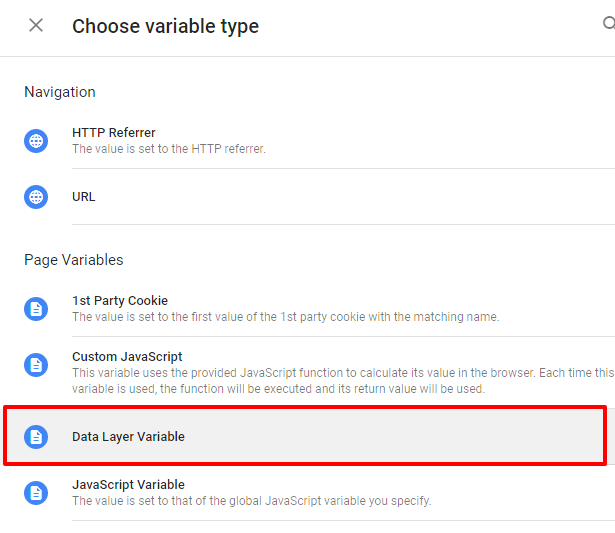
  5. Select Data Layer Variable from the list:
    create data layer variables 1
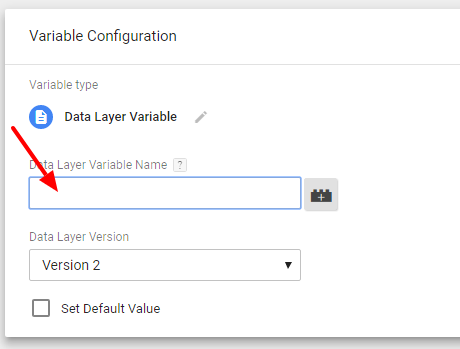
  6. Enter the name of the variable you would like to access. You can read about the variable names of this plugin on that page:
    create data layer variables 2
  7. You may set a default value here as well depending on whether you need such a value
  8. Click the Save button and enter a descriptive name for the variable which you will see on the GTM UI while editing tags andĂ‚ triggers

© 2026 Google Tag Manager for WordPress - Privacy policy

  • WordPress.org plugin page
  • Plugin support
  • Plugin reviews
  • Home
  • Features
    • Basic features of GTM4WP

      You can use many post or page attribute in you Google Tag Manager setup even for custom post types and taxonomies.

      Basic data

      Page / post attributes

      Site search

      User data

      Multisite data

      3rd party data

      Browser attributes

      Device attributes

      Operating system attributes

      Weather conditions

  • Setup
    • Setup advanced GTM4WP features

      Integrate your measurement with WooCommerce, setup Google Analytics 4, Google Ads remarketing or conversion tracking maximizing capabilities.

      WooCommerce related

      Google Analytics 4

      Google Ads – Dynamic Remarketing

      Google Ads – Conversion tracking

      Google Ads – Enhanced Conversions

      Other setup articles

      Exclude WordPress admins

      Embedded media players

  • Developers
    • Information for developers and WP managers

      There are several tools in GTM4WP to support your special needs and to adjust plugin behavior to your website or WooCommerce shop.

      Do you want to contribute with a bugfix or a new feature? Visit the GTM4WP’s GitHub page!

      For Developers

      Actions and filters

      WP themes + Proper ecommerce tracking

      For WP managers

      Setup GTM Environments

      Hard code GTM parameters

  • Blog
  • GDPR
Search